Six jobs from this year across Newcastle and Lake Macquarie. Each one says what the owner wanted, what we found once the old paint came off, and how it was finished. Sample projects: this is a demo.
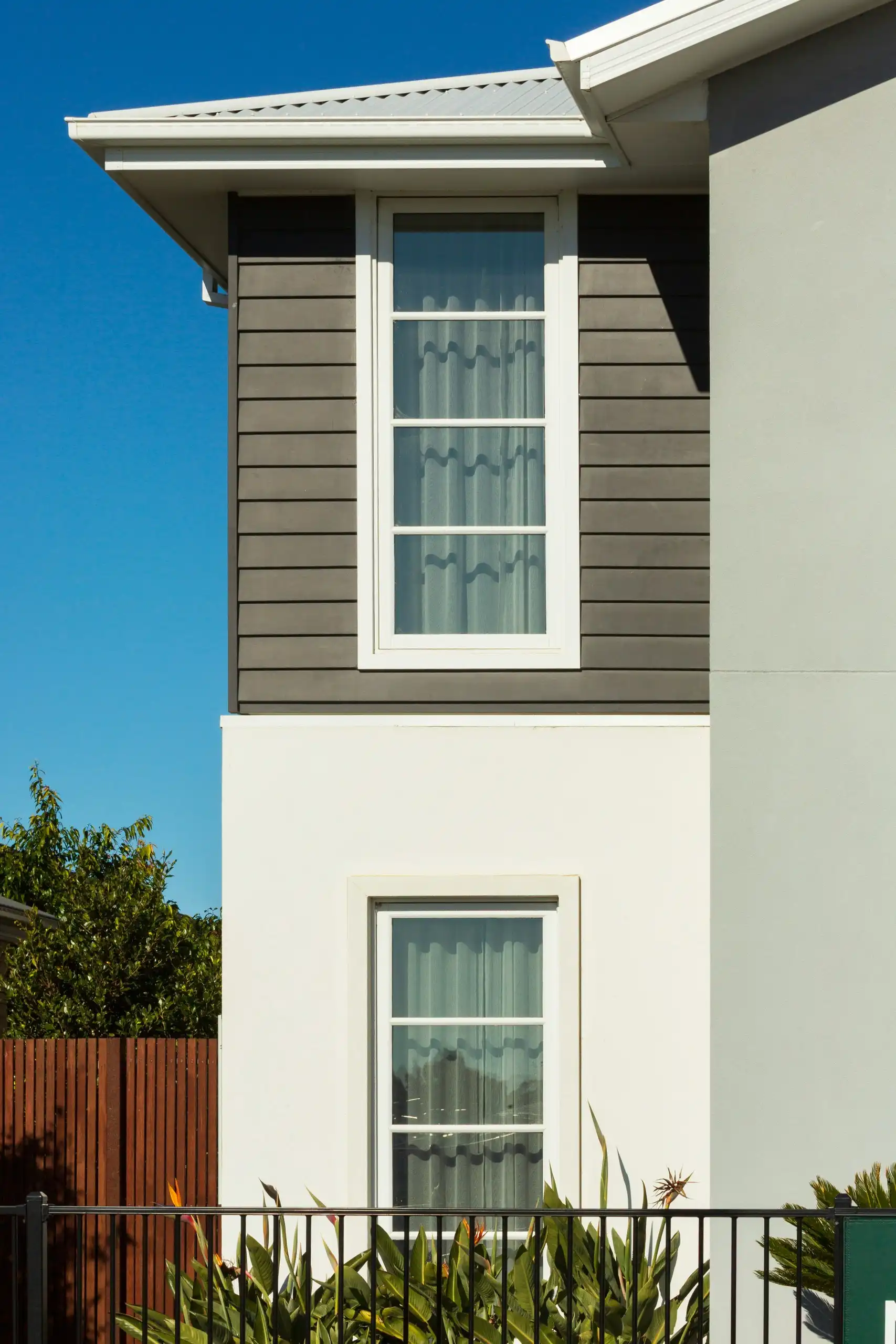
Charcoal boards above, white render below, every window trim cut in by hand. The old paint was flaking, so every board was scraped and spot-primed first.
The owners wanted the house to look less like 1990s cream render and more like the weatherboard cottages along the street. Up close, the old paint on the boards had lifted in long strips on the south side, and one board near the laundry had gone soft. We replaced that board, scraped the rest back to a sound edge, primed every bare patch and painted the boards charcoal and the render white, with the trims in white enamel so the windows read crisply against the dark.
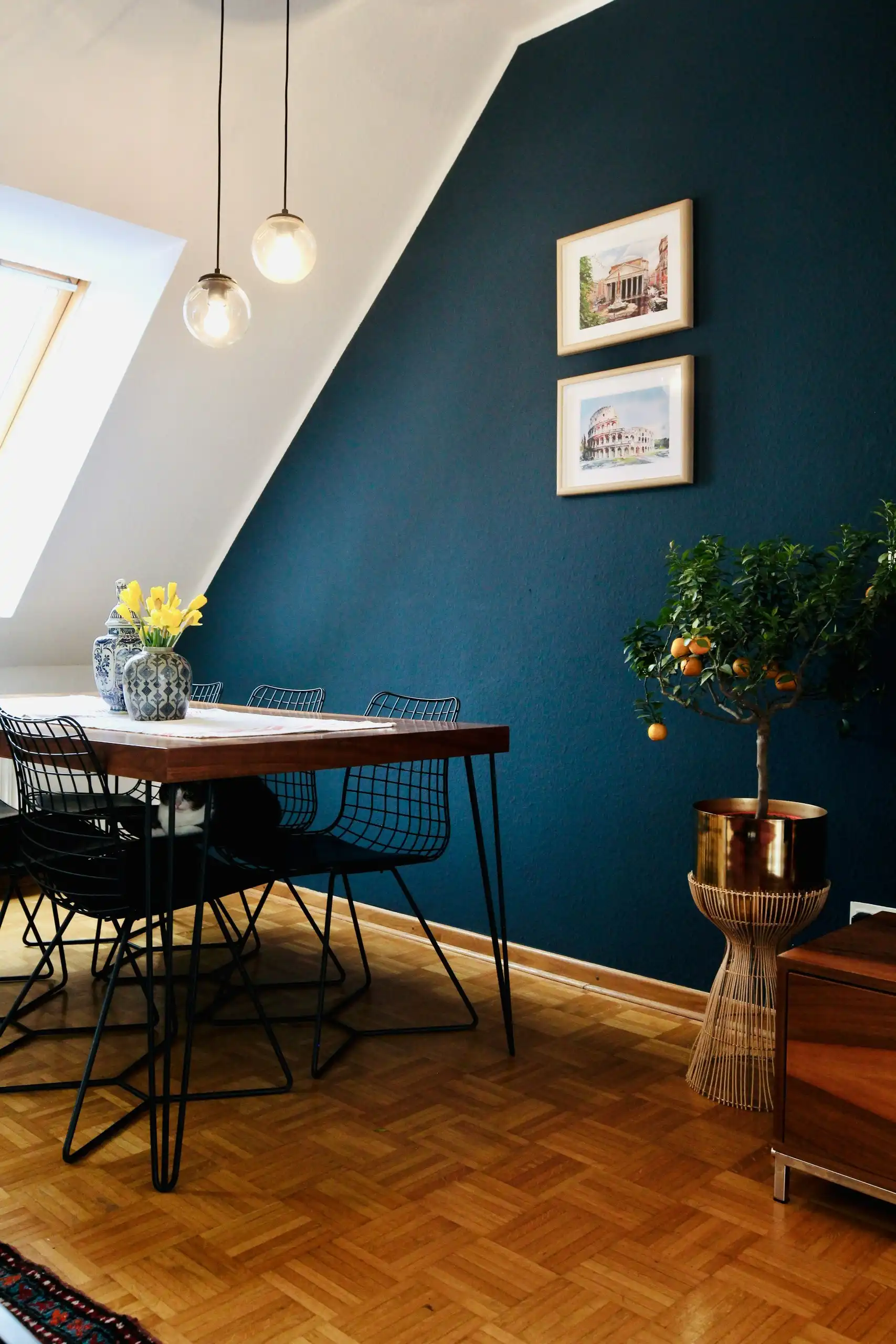
Deep navy on the long wall, crisp white ceiling, the line between them taped and cut. A dark colour shows every patch, so the wall was filled and sanded twice.
A navy wall shows everything: every patch, every roller lap, every wobble along the ceiling line. The plaster had a few old picture-hook holes and a hairline crack where the sloping ceiling met the wall, so we raked and filled the crack, filled and sanded the holes twice, and spot-primed before the first coat. The owner tried the navy as a large sample patch first, under both morning and evening light, before committing to the whole wall.
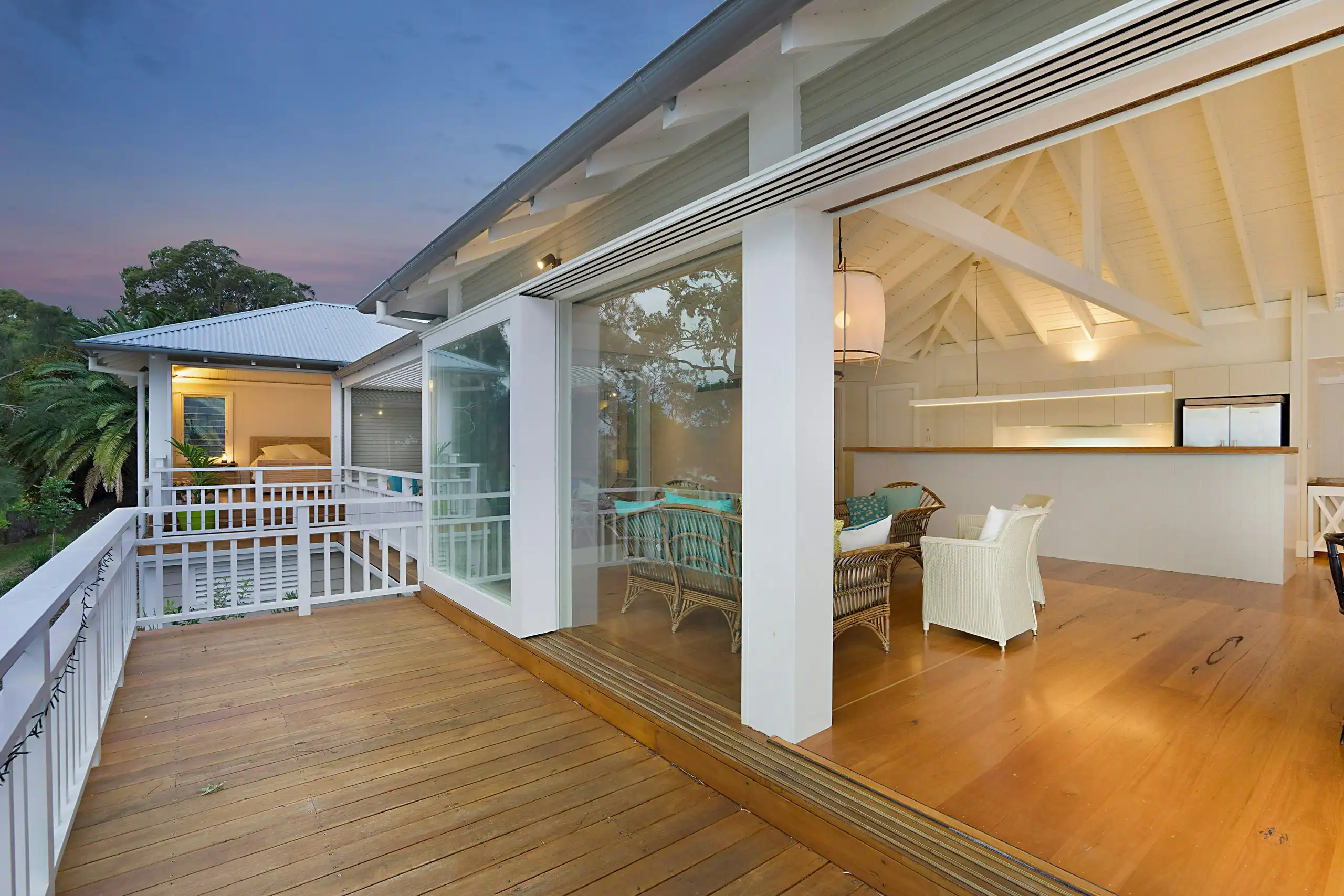
Hardwood deck cleaned and oiled, balustrades and posts repainted in gloss white. The boards dried out for two days before the oil went on.
The deck had gone grey and the balustrade paint was peeling where the afternoon sun hits it. We cleaned the boards with a deck cleaner, rinsed them and waited for two dry days before the oil went on, because oil over damp timber sits on top instead of soaking in. The posts and balustrades were sanded back, primed where the timber showed through, and given two coats of gloss white.
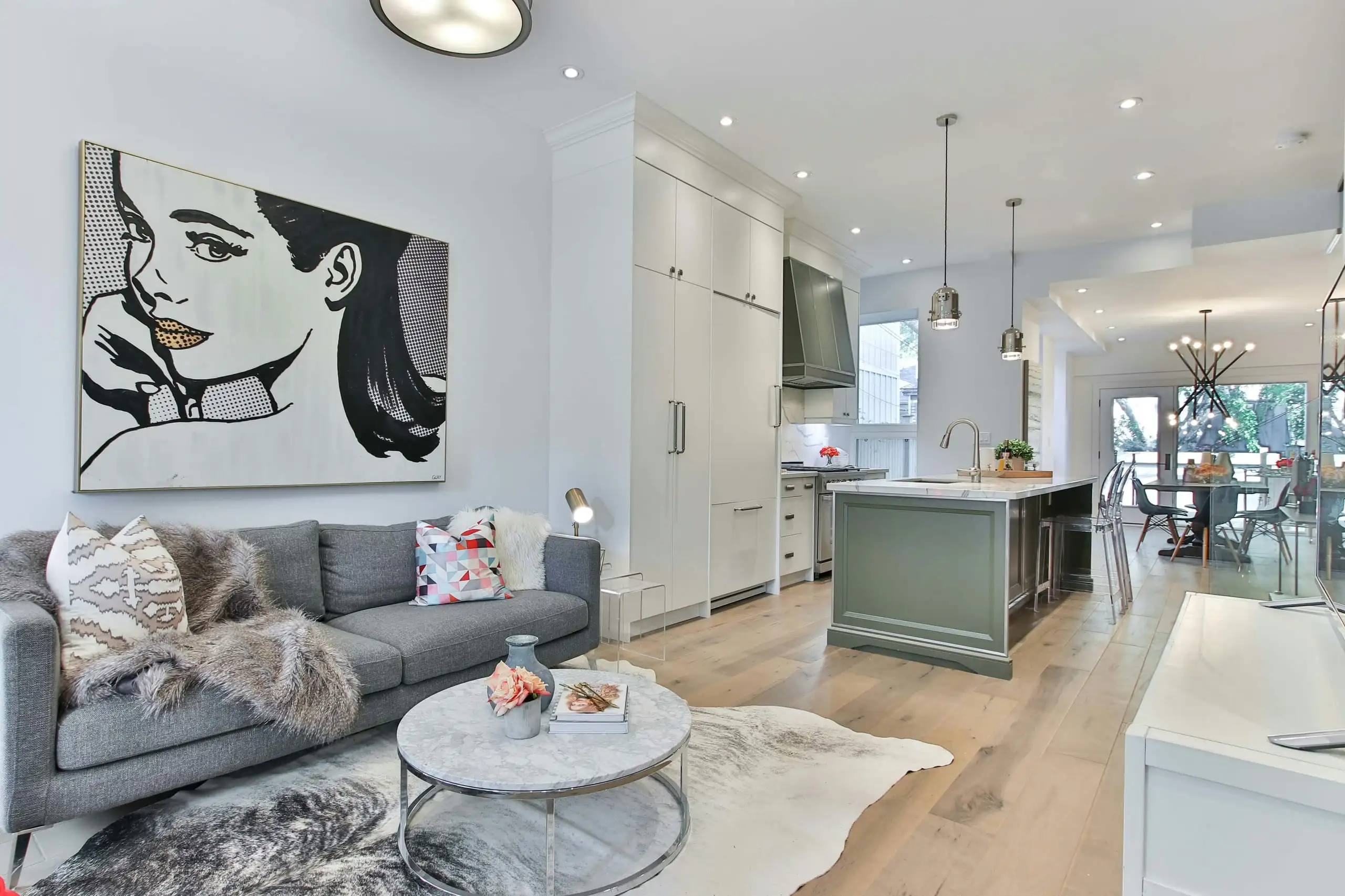
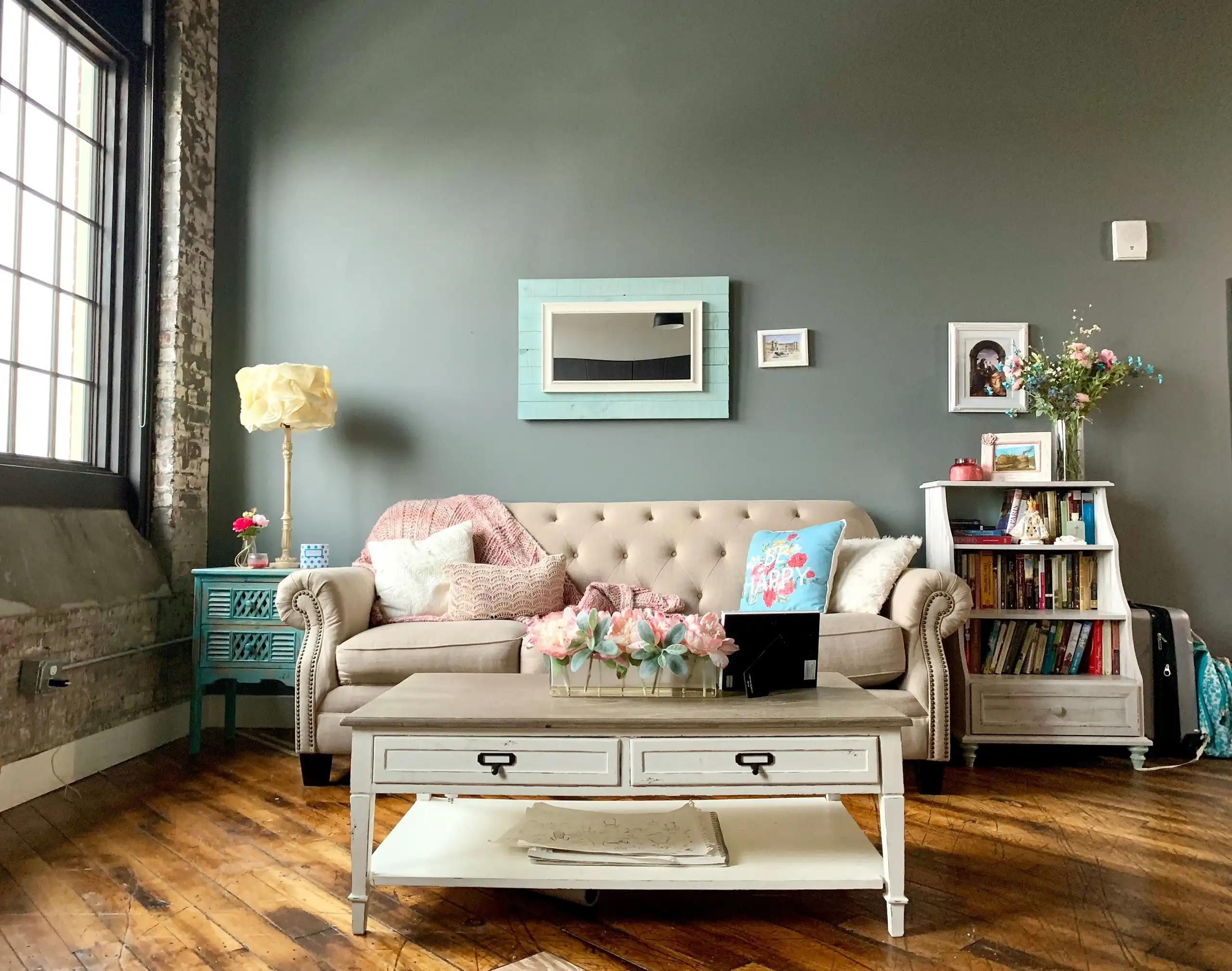
Walls in a soft grey-green, ceilings and shelving in white, done in two days. The owner tried three sample patches on the wall before picking one.
The owner had a colour card with six greens on it and couldn't decide. We painted three of them as large patches on two walls, one in the morning light and one in the afternoon, and left them up for a week. The one that won looked grey at midday and green at dusk. Walls, ceiling and the built-in shelves were done in two days, with the shelving in a white enamel so it wipes clean.
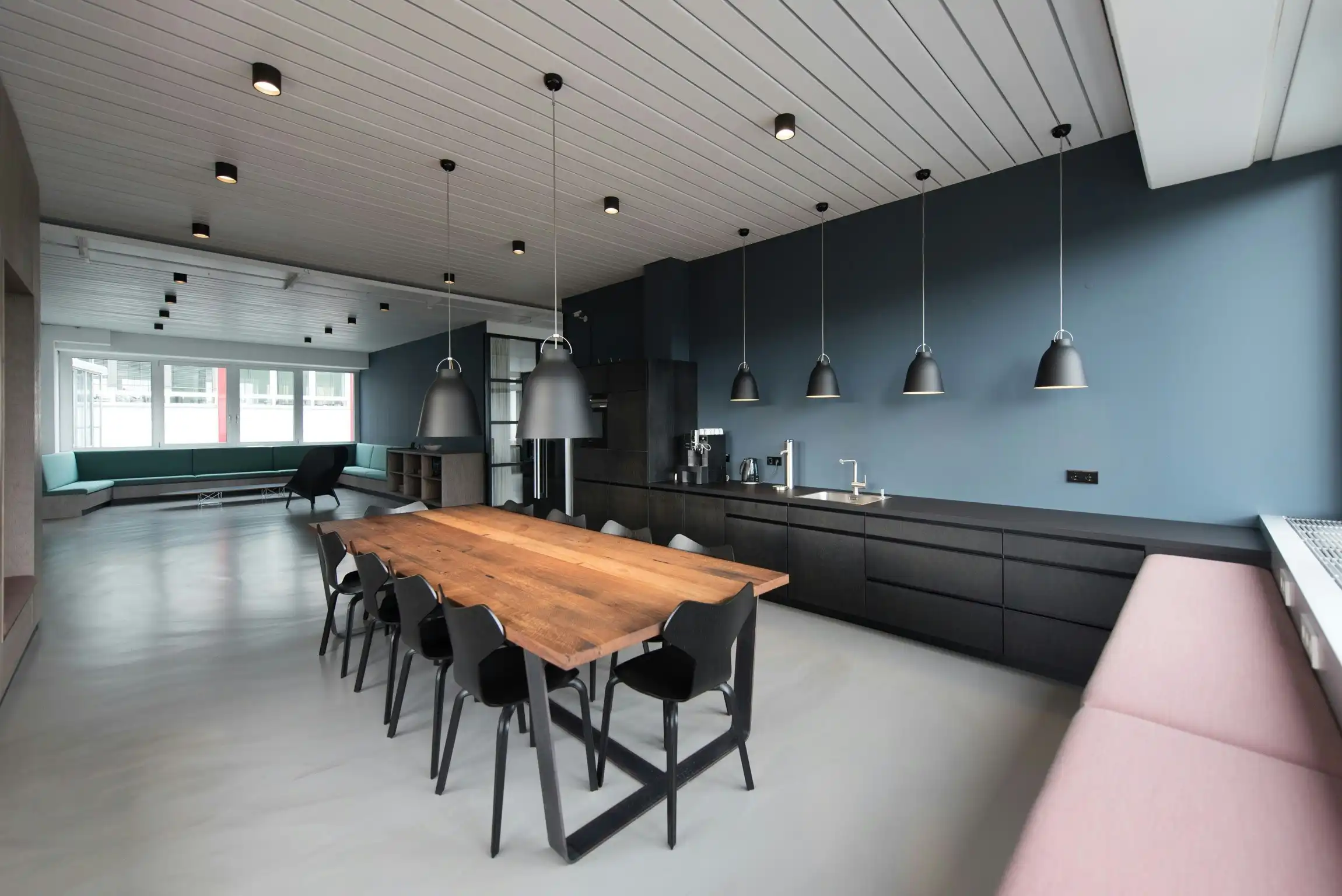
A dusty-blue feature wall and fresh white walls, painted over a weekend so work never stopped. Low-odour paint, so the room was ready on Monday.
The business couldn't close the kitchen during the week, so the whole job ran from Friday evening to Sunday afternoon. We covered the benches and appliances, painted one wall a dusty blue and the rest white, and used a low-odour paint so the room was usable on Monday morning. Everything that came off the walls, from the noticeboard to the clock, went back where it was.
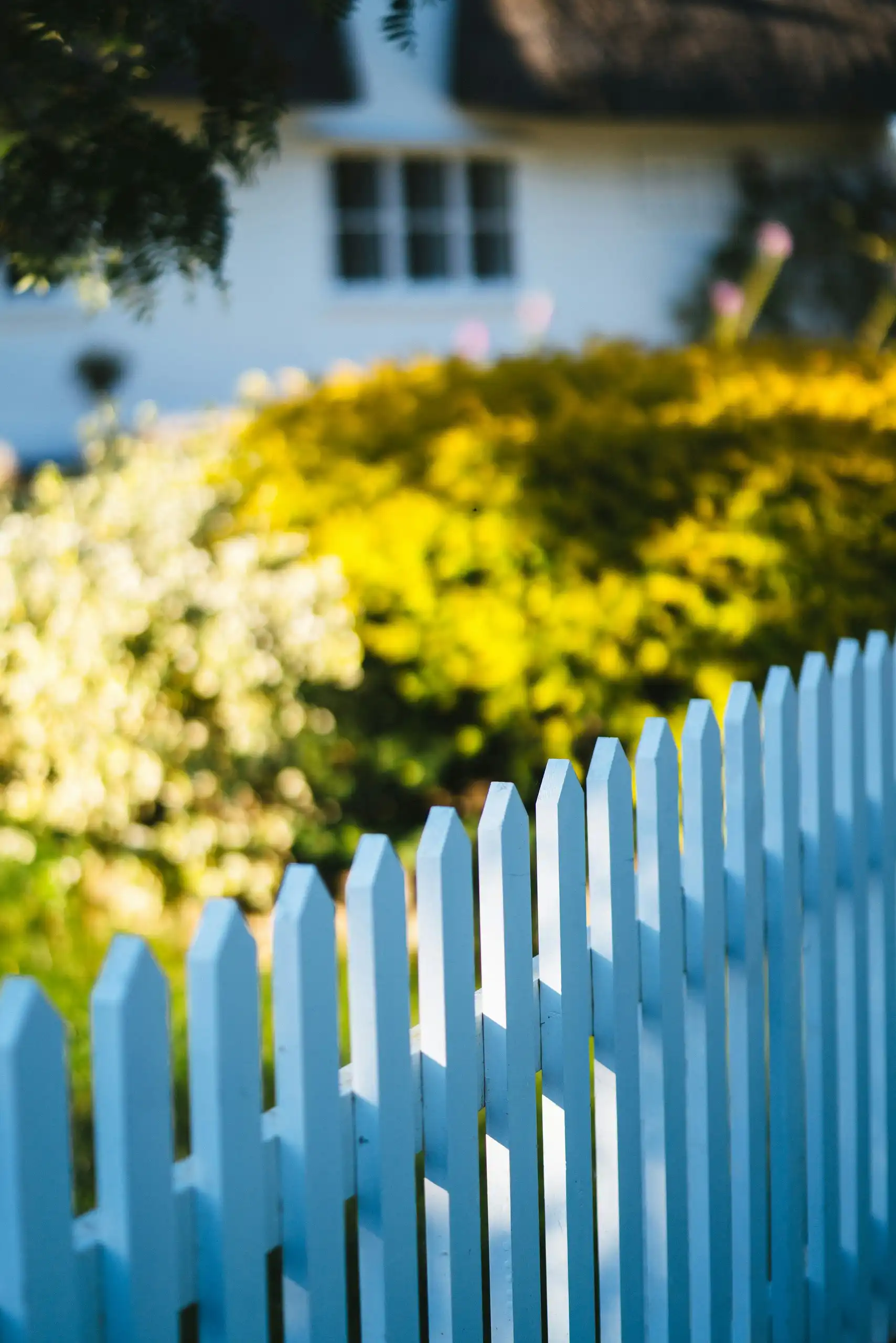
Sanded back, primed with a marine-grade undercoat, two coats of blue. A block from the beach, so every nail head was sealed against rust.
A block from the beach, salt had got into every joint of the old picket fence and the nail heads had rusted through the paint. We sanded the pickets back, punched and sealed every nail head, and primed with an undercoat made for marine exposure before two coats of blue. The owners hose the fence down after a big blow now, and we told them which side to watch.
Not yet. Corella Painting is a demo business, so these are sample projects written the way a real painter's would be: a suburb, the job, what we found and what changed. When a real business launches on this design, its own jobs and photos replace them.
Can I see a job near me before I book?
Ask at the quote. We can usually point you to a house we've painted within a few streets of yours, with the owner's permission, so you can see how the finish has held up rather than how it looked on the day.
Can you match a colour from a photo or an old wall?
Often. A paint shop can scan a chip of the old paint or a sample you bring in and mix a match. From a photo alone it's a guess, because screens and light change colour, so we paint a sample patch and you approve it on the wall before we go further.
How do you protect gardens, paths and floors?
Drop sheets over everything we're working above, plastic over garden beds and paths when we're washing or sanding, and masking along floors and benches. Ladders and scaffold go down on boards, not straight onto lawn or soft ground.
Can you finish before a sale or an event?
Tell us the date at the quote. We'll say honestly whether it's realistic with the weather and the prep the house needs, and plan the order of work so the parts people see first, like the front of the house, are finished first.
Do you take photos during the job?
Yes, before, during and after. They're useful if a question comes up about what was under the old paint, and owners often like to see the rotten board or the rust we fixed before it was covered up.
Tell us what needs painting
A few lines and a photo or two is enough. We'll ring to book a look, then leave you a written quote with every surface and every coat on it. No obligation, and no follow-up calls chasing you if you decide to wait a while longer.